What Preparation Do I Need to Do Before Flooring Installation?
A homeowner's checklist for the week, day, and morning before flooring installation — furniture, appliances, pets, and what the crew will handle vs. what you should.
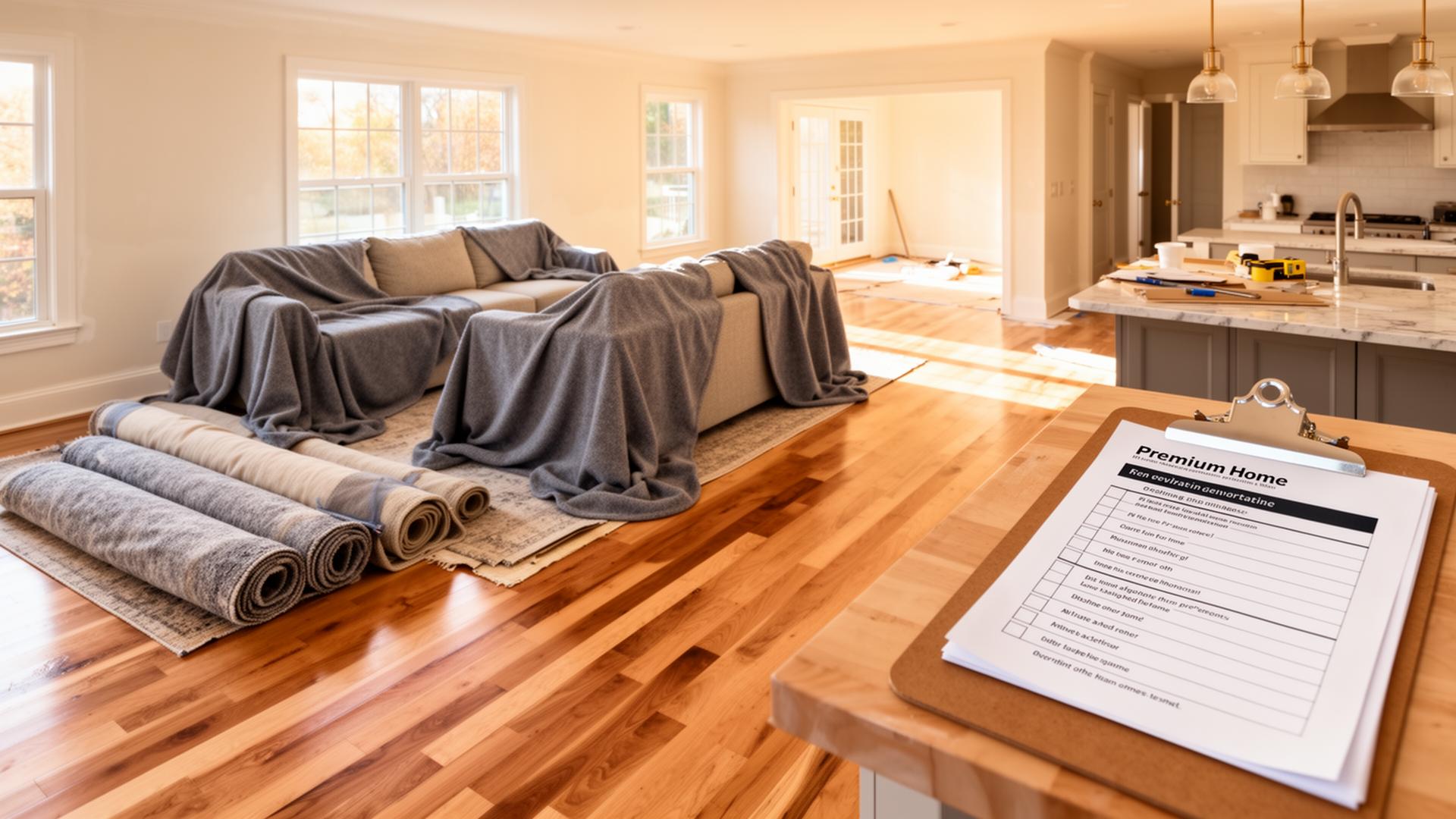
A well-prepped home shaves hours off the install, prevents surprise change-orders, and protects your belongings from incidental damage. The truth most contractors won''t tell you up front: a large share of "the installers damaged my stuff" complaints trace back to skipped prep steps on the homeowner''s side. The fix is simple — a short countdown checklist you start a week before install day.
7 days before: planning checklist
- Confirm the appointment and arrival window in writing. Ask for the lead installer''s name and cell number.
- Confirm payment terms. Is the deposit paid? When is the balance due — completion day, or net 7?
- Decide where the family and pets will be. Most LVP/laminate rooms can be back in use the same evening; hardwood with finish work usually means relocating overnight.
- Plan parking and dumpster access. The crew needs a spot for a truck and trailer within ~50 feet of the entry. Move cars out of the driveway the night before.
- Schedule appliance disconnects. Gas dryers and gas ranges must be handled by a licensed plumber — never the flooring crew. If your contract doesn''t include disconnects, book them now.
- Order touch-up paint. Baseboard removal and re-installation almost always means a fresh bead of caulk and a paint touch-up on top.
- Acclimation — most contracts don''t require homeowner acclimation, but confirm. If you''re acclimating, get boxes into the install rooms now.
3 days before: clear the rooms
Furniture moving is the single biggest gray area in a flooring contract. Read your quote line items — "standard furniture moving" usually covers what the average homeowner expects, but specialty items don''t qualify. Here''s the typical split:
- You move: electronics (TVs, computers, stereos), framed art, breakables, valuables, medication, important documents, and anything inside dressers or cabinets that are staying put.
- Crew typically moves (if included in scope): sofas, beds, dressers (emptied), dining tables, nightstands, standard freestanding furniture.
- Crew won''t move: pianos, pool tables, gun safes, aquariums, grandfather clocks, anything over ~300 lbs. These need a specialty mover, scheduled separately.
Empty every drawer — even if the crew is moving the piece. Loaded drawers shift, tweak the slides, and damage the cabinetry during a lift-and-carry. This single step prevents the most common furniture damage claim we see.
1 day before: utilities and access
- Disconnect the refrigerator ice-maker / water line if the fridge is moving. Shut the inline valve and let the line drip into a bowl for 10 minutes.
- Gas dryers and gas ranges: licensed plumber only. Never the flooring crew. Tag the appliance as disconnected so the crew knows it''s safe to slide.
- Remove toilets if the floor is going under them — some contractors include this, some don''t. Confirm in writing.
- Take down closet and bifold doors that may need trimming for the new floor height.
- Remove floor vent covers and clean the duct lip while you''re down there.
- Charge your phone and clear a working outlet on the breaker panel. Dust extraction and table saws can pull serious amps; the crew may need to balance load.
Install day morning: a 30-minute walk-through
Before the first plank goes down, do a deliberate walk-through with the lead installer. This is the single most valuable 30 minutes of the whole project:
- Walk every room in the project and confirm scope — including baseboard plans, transitions, and stair details. Put any last-minute change in writing (text or signed change order).
- Point out pre-existing damage to walls, baseboards, door casings, and adjacent floors. Take dated photos together on both phones.
- Show the crew where they can stage tools, where the trailer goes, which bathroom they can use, and where to plug in.
- Crate or kennel pets in a closed room with water and a sign on the door. Even calm dogs panic around a chop saw or nail gun, and an open door is how pets get out.
- Plan to be reachable by phone all day. Installers make small judgment calls (transition direction, baseboard reveal height, stair nose return) every couple of hours.
Six things homeowners commonly forget
- Door clearance. A new floor adds 1/4"–3/4" of height. Interior doors and closet doors often need trimming. Ask whether that''s in scope.
- Appliance feet. Steel feet on a refrigerator or washing machine will gouge fresh LVP. Stage felt pads or appliance dollies before reconnect day.
- Smart-home gear. Wi-Fi mesh nodes, security hubs, and thermostats that get unplugged often need a reset and re-pair.
- Ice maker purge. After reconnecting, dump the first 24 hours of ice — sediment and air work through the line.
- Touch-up paint. Baseboards almost always get a fresh caulk seam, and that wants paint within a week.
- HVAC return filter. Demolition kicks up serious dust. Replace the filter the day after the project, not a month later.
Crew handles vs. homeowner handles — quick reference
| Task | Crew | Homeowner |
|---|---|---|
| Floor removal & disposal | Yes | — |
| Subfloor prep & leveling | Yes | — |
| Standard furniture moving | Usually, if in quote | Confirm scope |
| Pianos / safes / aquariums | No | Hire specialty mover |
| Electronics & valuables | No | Yes |
| Gas appliance disconnect | No (licensed only) | Schedule plumber |
| Toilet pull & reset | Often included | Confirm in quote |
| Baseboard removal & reinstall | Usually included | — |
| Door trimming | Sometimes — confirm | Confirm in quote |
| Final cleanup & debris haul | Yes | — |
| Paint touch-up on baseboards | No | Yes |
How TRU Installation handles prep
Every TRU contract includes a prep checklist emailed seven days before the appointment, with a clear furniture-moving line item in the written quote so there''s no ambiguity. The lead installer does the morning walk-through with you before any work starts. See what a professional flooring installation includes and questions to ask a flooring contractor for more context on scope.
Build a self-serve estimate on our pricing page, or book an on-site measurement to lock in a binding quote.
Know your flooring cost in 60 seconds.
Use our published rates to get an itemized estimate — no phone calls, no sales pressure.
Keep reading
All articles →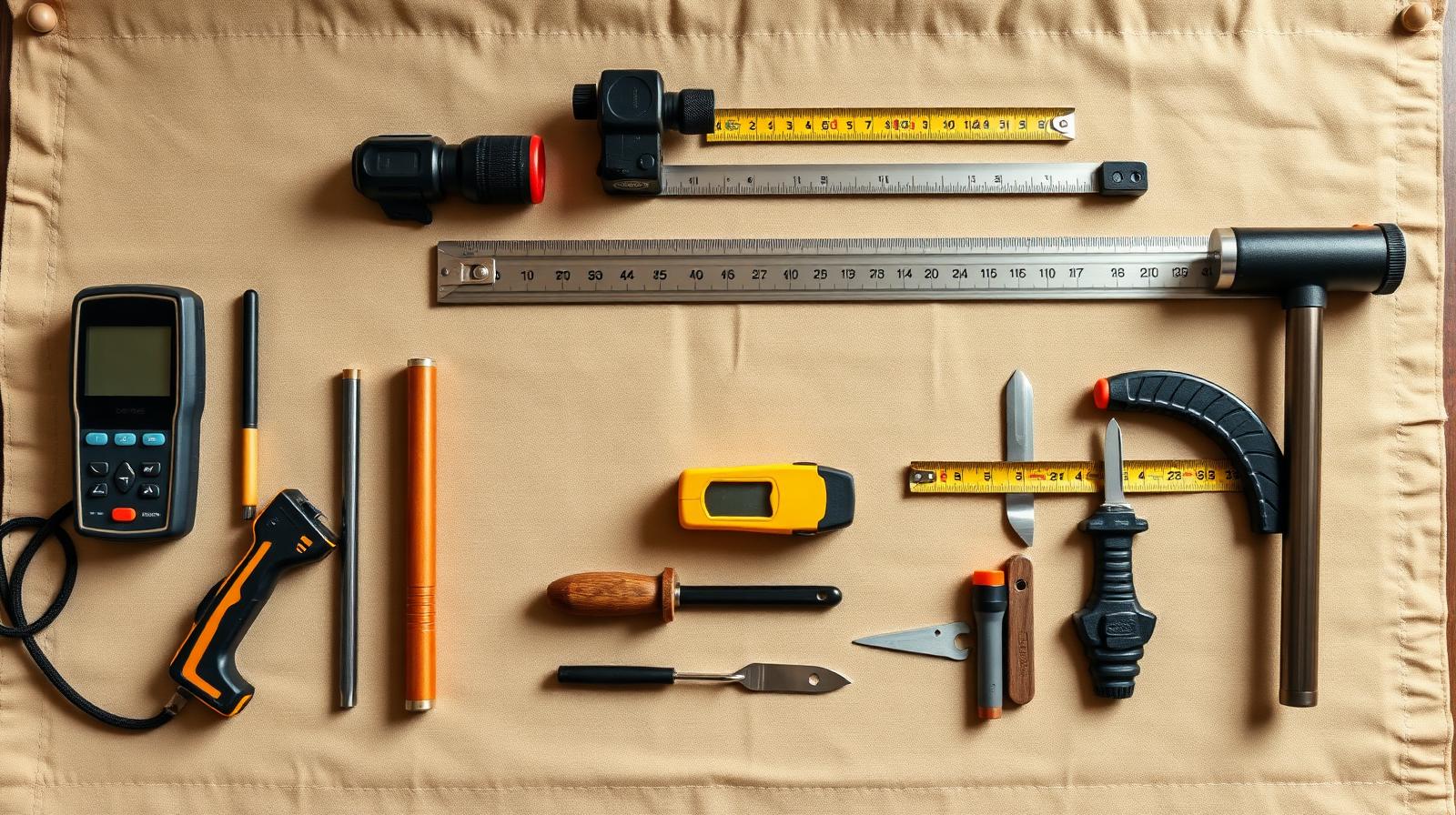
What Tools Do Professional LVP Installers Use?
The real toolkit pros bring to an LVP install — moisture meters, plank cutters, tapping blocks, undercut saws — and why each one matters for a floor that lasts.
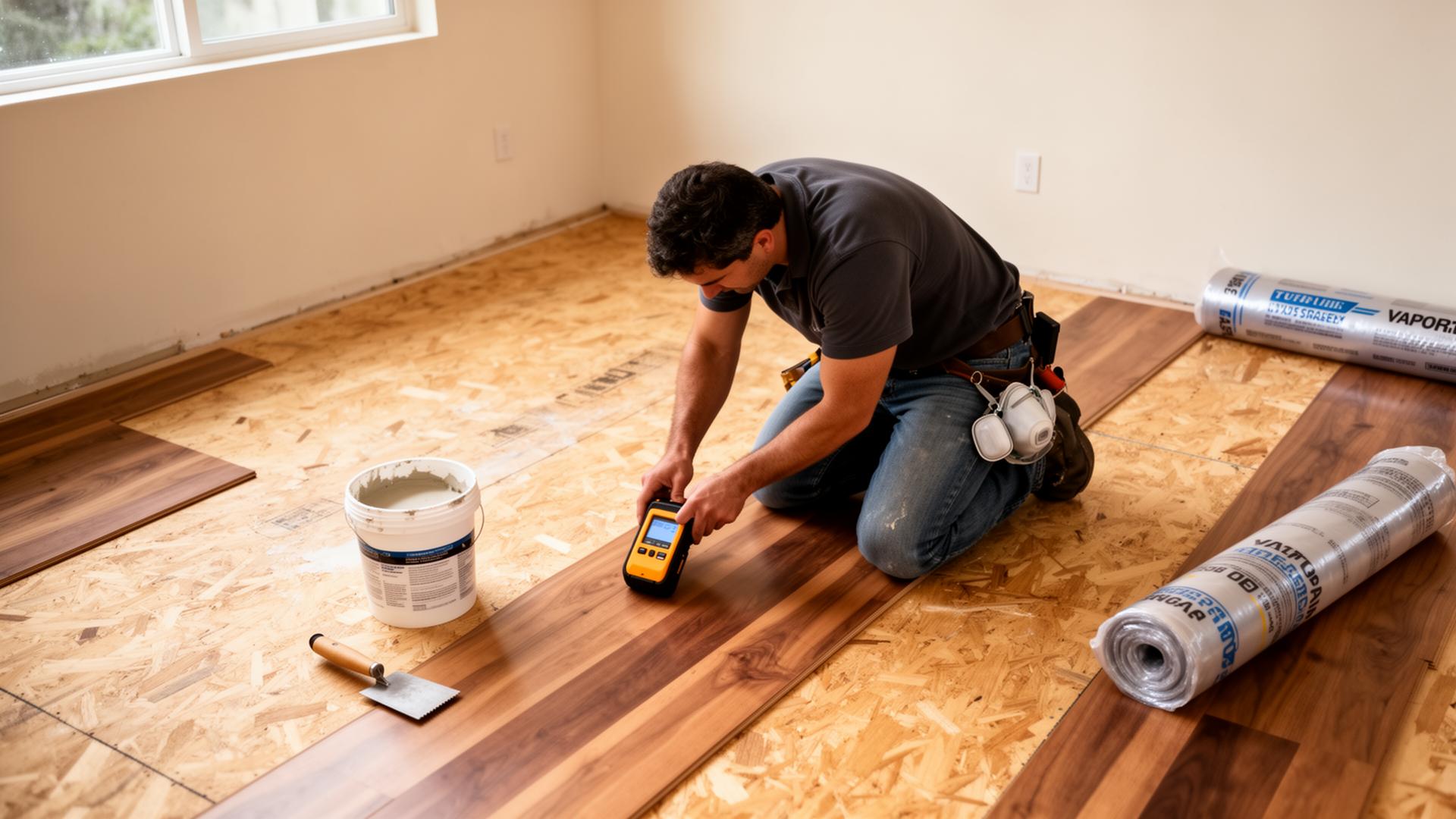
Why Is Subfloor Preparation So Important for LVP?
Skipping subfloor prep is the #1 reason LVP fails early. Here are the 5 failure modes — telegraphing, peaking, hollow spots, moisture damage, voided warranty — and the real cost of skipping it.
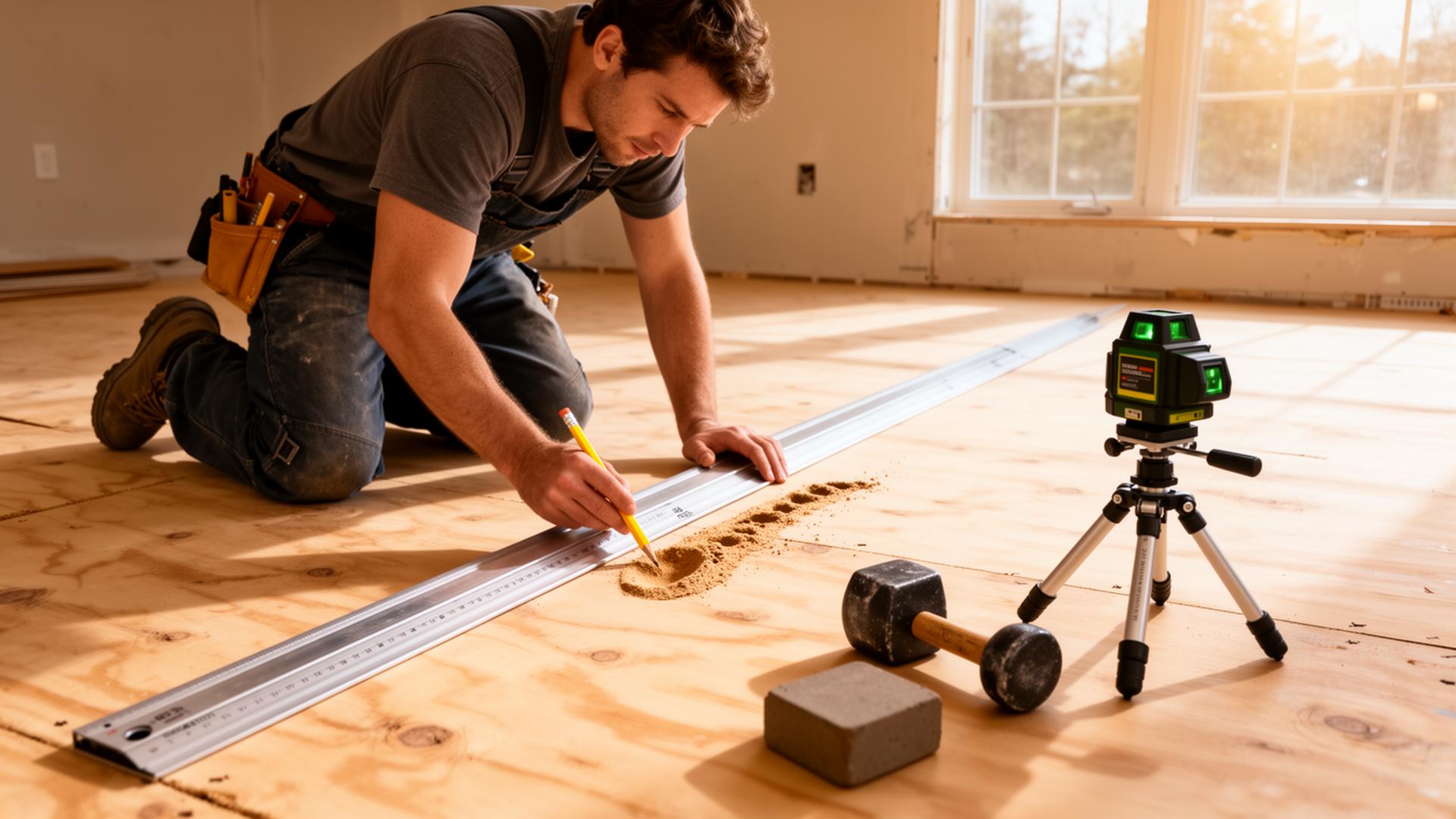
How Do Professional Installers Ensure LVP Planks Are Level?
The industry flatness tolerance for LVP, the tools pros use to find high and low spots, and the leveling techniques (grinding, patching, self-levelers) that keep your floor dead flat.