What's the Difference Between Click-Lock and Glue-Down LVP?
Click-lock floats. Glue-down bonds. Here's the honest comparison — cost, subfloor, moisture, repairs, lifespan — and which method actually fits your home.
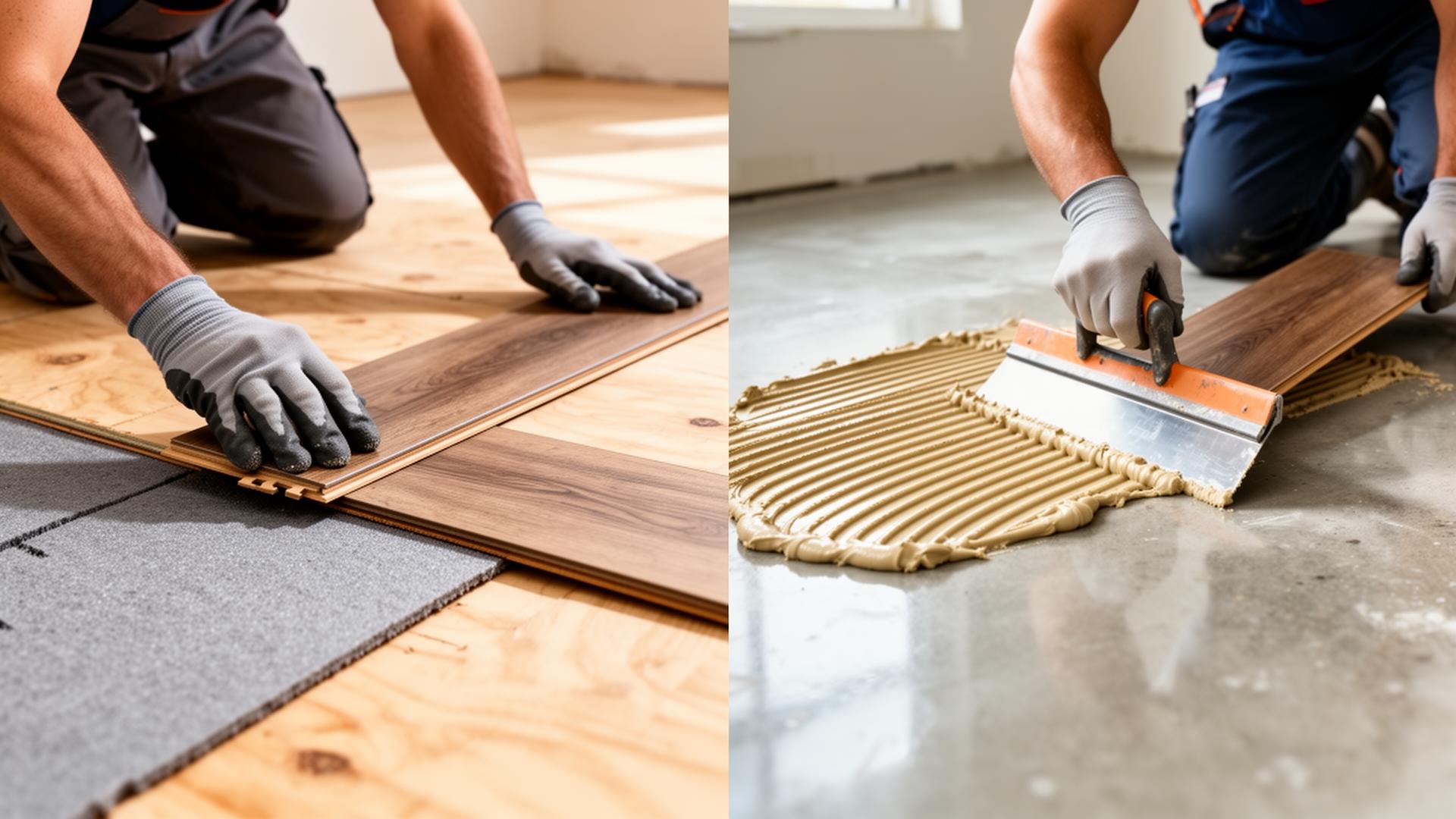
Short answer: Click-lock LVP "floats" — the planks snap together and rest on the subfloor over an underlayment. Glue-down LVP is bonded directly to the subfloor with a trowel-applied adhesive. Click-lock is faster, cheaper to install, and easier to repair. Glue-down is more stable in large open spaces, handles wide temperature swings better, and feels more solid underfoot. For most California homes we install in, click-lock wins — but glue-down is the right call for slab-on-grade rooms with radiant heat, very large open-plan great rooms, and commercial-feel spaces.
What "click-lock" (floating) actually means
Click-lock LVP — also called floating LVP — has a precision-cut tongue-and-groove edge on every plank. The planks snap together at the seams, like puzzle pieces, and the whole floor sits on top of the subfloor as one big floating panel. There''s an expansion gap of about a quarter inch around the perimeter so the floor can grow and shrink with temperature, hidden under baseboards or quarter-round.
An underlayment — usually a thin foam or cork pad, sometimes pre-attached to the planks — goes between the LVP and the subfloor. The underlayment cushions footsteps, dampens sound, and smooths out tiny subfloor imperfections. The right underlayment matters; we cover the trade-offs in our underlayment guide.
What "glue-down" actually means
Glue-down LVP is exactly what it sounds like. The installer trowels a layer of pressure-sensitive flooring adhesive onto the subfloor in a notched pattern, then sets each plank into the wet glue and rolls it with a heavy hand roller to ensure full contact. Every plank is bonded directly and permanently to the subfloor.
There''s no underlayment — the adhesive is the only thing between the plank and the substrate. There''s no expansion gap inside the room because the floor doesn''t move. Once it''s down, it''s down. Stepping on glue-down LVP feels noticeably different from floating: solid, dense, more like real wood or tile than like a snap-together floor.
Click-lock vs glue-down: side-by-side
- Material cost: Roughly similar; some lines come in both formats at the same price.
- Installation labor: Click-lock is usually 20–40% cheaper per square foot to install.
- Install speed: Click-lock — a typical room can be done in a day; glue-down often needs a day for prep, a day to lay, and a day to cure before walking.
- Subfloor flatness required: Glue-down demands a much flatter subfloor.
- Moisture behavior: Glue-down handles slabs and humidity swings better. Click-lock can telegraph subfloor moisture into seam separation.
- Feel underfoot: Glue-down feels solid and dense. Click-lock feels slightly cushioned.
- Sound: Click-lock with a good underlayment is quieter footstep-to-footstep; glue-down is quieter against impact (dropped objects).
- Repair a damaged plank: Click-lock — pull the planks back from the wall, swap the bad one, snap everything back. Glue-down — cut out the damaged plank, scrape the dried adhesive off the subfloor, glue a new one in. Possible, but slower and messier.
- Lifespan over a slab: Roughly equal when each method is installed correctly.
- Best for resale: Both are widely accepted; glue-down has a slight edge in commercial and high-end residential.
There''s also a third method — loose-lay LVP — where heavier-back planks sit on the subfloor with no glue and no click joint, held down by their own weight and friction. It''s a niche option for quick commercial swaps and tenant-improvement work. We don''t recommend it for most homes, so we''ll skip it from here on.
When click-lock wins
Reach for click-lock when:
- You''re installing in normal residential rooms — living areas, bedrooms, hallways, dining rooms.
- You''re on a second story over a wood subfloor.
- You''re renovating a rental and want easy single-plank replacement years from now.
- You want the lowest installed cost without compromising looks.
- You''re installing over an existing hard floor that''s flat enough — see our guide on installing LVP over existing flooring.
- You need the project done in a day or two with minimal downtime.
When glue-down wins
Reach for glue-down when:
- The space is very large and open — say, a 600+ sq ft great room with no walls or transitions. Floating floors that big can develop visible expansion movement; glued floors don''t.
- You have radiant heat under a concrete slab. Glue-down conducts heat better and won''t shift seasonally.
- The room gets dramatic temperature swings — large south-facing windows, sun rooms, or homes with no AC.
- You want commercial-grade traffic performance — offices, retail, AirBnBs with lots of rolling luggage.
- The floor will see heavy rolling loads — office chairs, wheelchairs, hand trucks. Glued planks won''t shift under the wheels.
- You want the most solid, premium feel underfoot.
The subfloor difference no one talks about
Glue-down LVP demands a noticeably flatter subfloor than click-lock — generally around 3/16" deviation over 10 feet, vs. about 1/8" over 6 feet for click-lock. That sounds like a small spec difference; in practice, it means glue-down often needs more aggressive grinding, patching, or self-leveling on an existing slab. That subfloor prep can erase the labor difference between the two methods if the slab is uneven to begin with. We always measure before quoting — our guide on why subfloor prep matters explains how we evaluate this.
What we recommend in California homes
For most Los Angeles and Ventura County homes — second stories, normal-sized rooms, wood or properly-prepped concrete subfloors — we recommend click-lock. It''s faster, cheaper, easier to live with, and the modern click systems (especially SPC-core click-lock) are extremely strong. For slab-on-grade rooms with radiant heat, large open-plan great rooms over 600 square feet, sun-soaked rooms with big temperature swings, or any space that''s going to take commercial-level abuse, we recommend glue-down. We''ll tell you which one fits your house, not which one is easier for the crew that week.
Get a method recommendation with your quote
Both methods are on our published pricing page with transparent per-square-foot rates. Book a measurement and one of our installers will look at your subfloor, your room sizes, and your sun exposure and give you a straight recommendation — including how much subfloor prep each method would actually need. While you''re here, our guides on subfloor prep, common LVP installation mistakes, and how long LVP installation takes are worth a read before your appointment.
Know your flooring cost in 60 seconds.
Use our published rates to get an itemized estimate — no phone calls, no sales pressure.
Keep reading
All articles →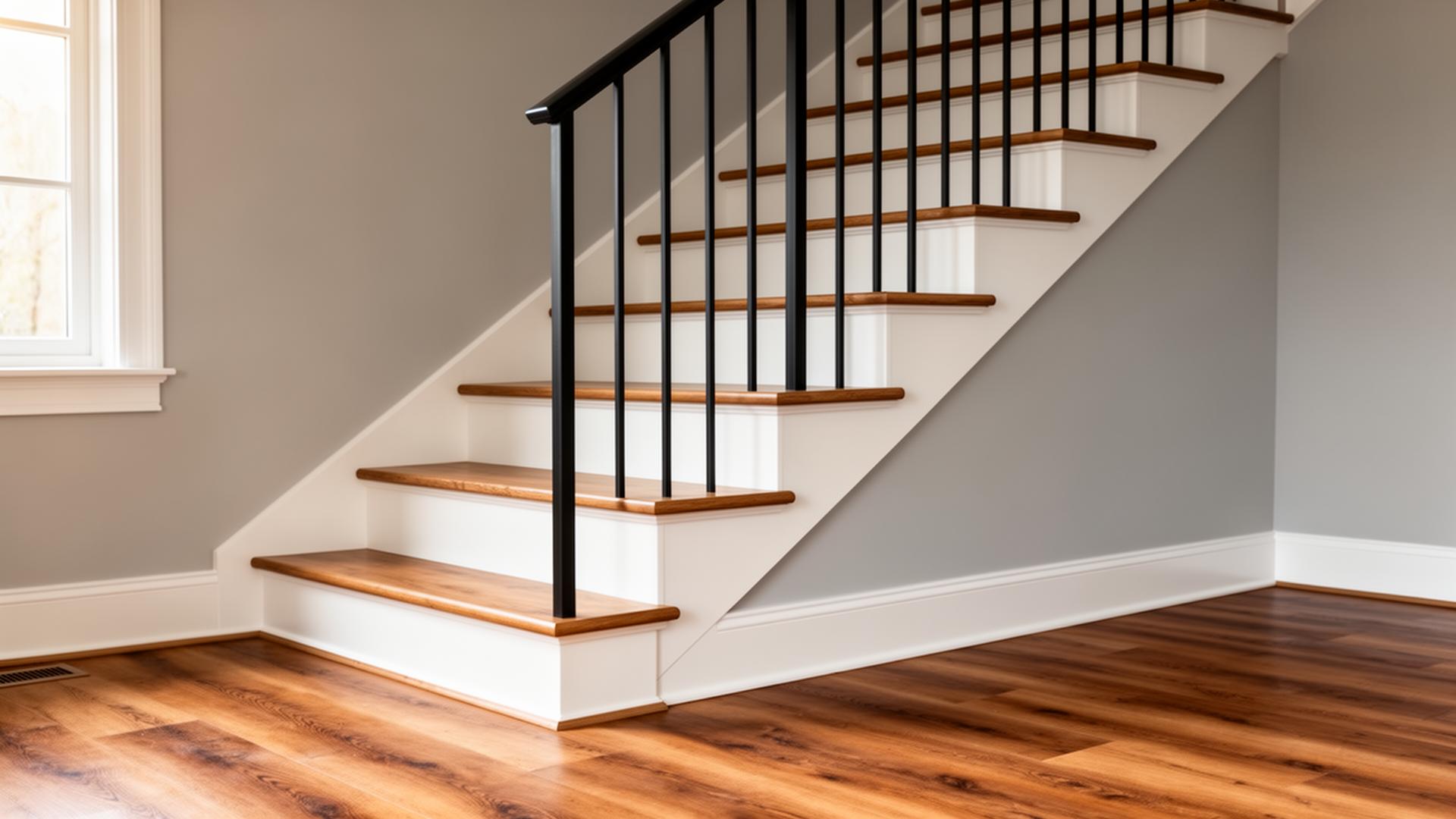
Can LVP Be Installed on Stairs?
Yes — LVP works on stairs, but it must be glued down, paired with matching stair-nose molding, and installed on a solid sub-tread. Here's what it really costs and what to watch out for.
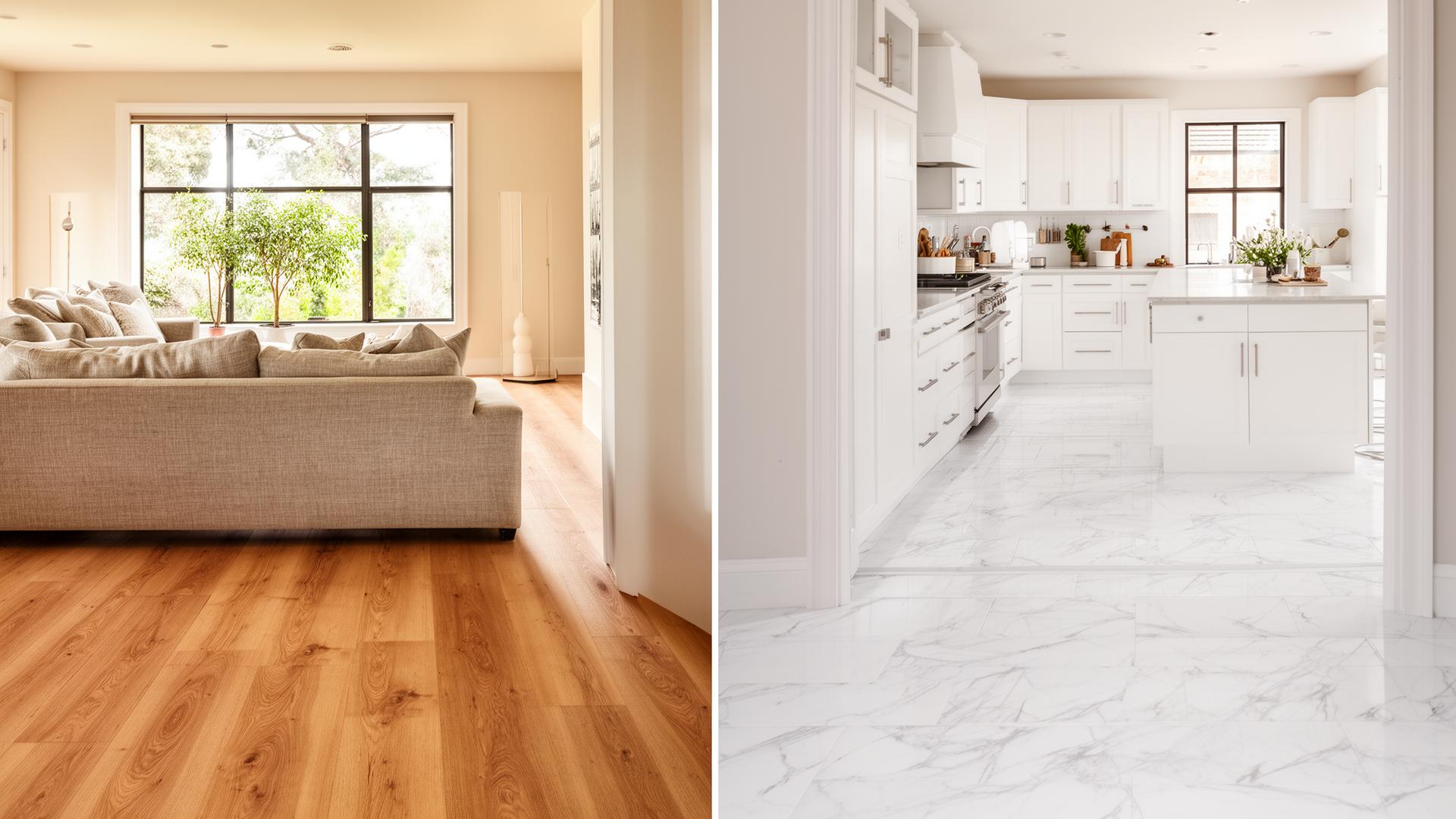
How Do I Choose Between Wood-Look and Stone-Look LVP?
A homeowner's decision guide for picking wood-look vs stone-look LVP — which visual works best in each room, what affects resale, and how to mix the two cleanly.
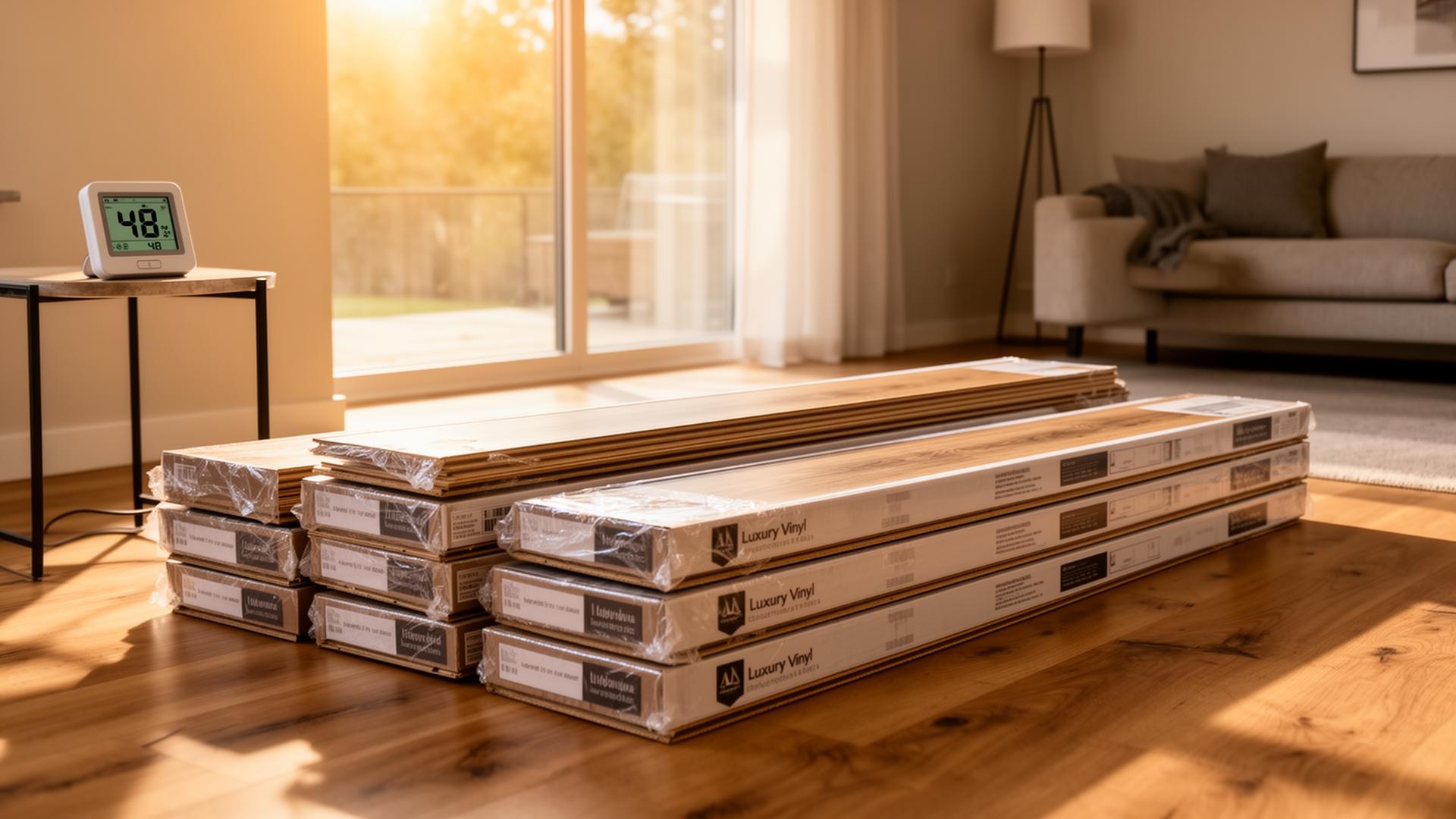
Should I Acclimate LVP Before Installation?
Yes — but not for the reasons you think. Here's what manufacturers actually require, how long acclimation takes, and what really happens if you skip it.