Should I Acclimate LVP Before Installation?
Yes — but not for the reasons you think. Here's what manufacturers actually require, how long acclimation takes, and what really happens if you skip it.
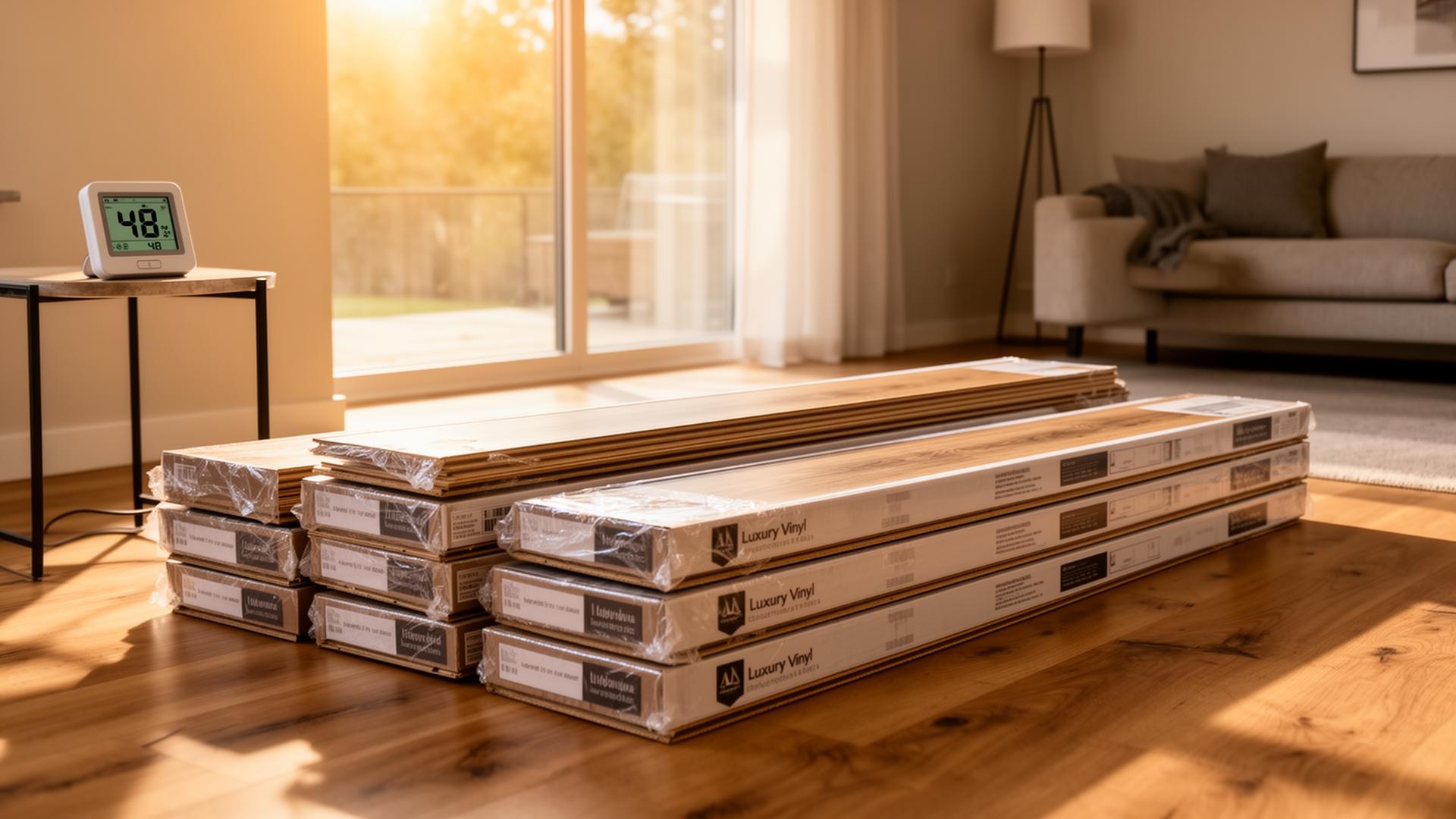
Short answer: yes — but not for the same reasons hardwood needs to acclimate. Luxury vinyl plank is dimensionally stable, so it won''t cup or crown like wood. Still, every major LVP manufacturer requires 24–72 hours of acclimation in the room where it''ll be installed. Skip it and you risk stiff click-lock seams, hollow glue-down spots, and a voided warranty. For most Southern California homes, 48 hours in the install room is the sweet spot.
What "acclimation" actually means for LVP (it''s not what it means for hardwood)
Hardwood acclimates because wood is hygroscopic — it absorbs and releases moisture, expanding and contracting dramatically with the seasons. That''s why solid oak in a Pasadena home swells in winter and shrinks in summer. LVP doesn''t do that. The stone-polymer core in SPC and the vinyl-PVC core in standard LVP barely respond to humidity at all.
So why acclimate? Temperature. A plank stored in a 95°F garage and installed in a 70°F living room will expand slightly as it cools — and the click-lock joint will fight you the whole way. The real risks aren''t cupping or warping:
- Click-lock tabs that are too stiff (cold) or too pliable (hot) to seat properly
- Glue-down adhesive that cures faster or slower than spec because plank and slab temperatures don''t match
- Planks that won''t lie flat because they were stored on edge in a hot space
- Micro-gaps at seams that show up weeks after install when the floor finally equalizes
What the manufacturer actually requires
Every major brand spells this out in their installation instructions. Shaw, Coretec, Mannington, Mohawk, LifeProof, SmartCore, and Karndean all specify a similar window: 24–72 hours at 65–85°F and 35–55% relative humidity. The warranty language is blunt — "failure to acclimate per these instructions voids all warranty claims." That isn''t marketing copy; it''s a contractual condition.
Always check the box your specific product came in. A handful of premium SPC lines now advertise "no acclimation required," but read the fine print — they almost always still require delivery into the install environment 24 hours before install, which is functionally the same thing. When in doubt, default to 48 hours.
How long should LVP acclimate? A room-by-room breakdown
- Standard rooms (bedrooms, living areas): 48 hours
- Large open-plan spaces (great rooms, 600+ sq ft): 72 hours — bigger volumes take longer to equalize
- Basements and below-grade rooms: 72+ hours with a dehumidifier running to hit 50% RH
- Rooms with radiant heat: 72 hours with the heating system on and stabilized at its normal operating temp
- New construction or recently drywalled homes: Add 24 hours — fresh drywall and paint release a lot of moisture into the air, and you want that to settle first
- Glue-down installs: Plank acclimation plus the adhesive manufacturer''s own temperature and humidity window (often stricter than the plank''s)
The right way to acclimate (most homeowners get this wrong)
This is where well-meaning DIYers and the occasional rushed contractor cut corners. The rules are simple but specific:
- Put the boxes in the room where they''ll be installed — not the garage, not the hallway, not a spare bedroom. The point is to match the conditions the floor will actually live in.
- Open the ends of every box. Sealed boxes trap air; the planks need circulation to equalize.
- Stack flat, never on edge. Planks stored vertically can develop a slight bow that won''t flatten in 48 hours.
- Keep boxes away from exterior walls, HVAC vents, and direct sunlight. A spot in the middle of the room is best.
- Run the home''s HVAC normally. Don''t crank the AC to 60°F or shut off the heat to "save energy" — the floor needs to acclimate to real living conditions.
- Verify humidity. A $15 hygrometer from any hardware store is enough. Target 35–55% RH.
For glue-down jobs, the subfloor temperature matters as much as the plank temperature. Concrete slabs lag behind air temperature by a full day — we''ll often check slab temp with an infrared thermometer before opening a pail of adhesive. That''s the kind of detail covered in why subfloor prep matters for LVP and how to prepare your subfloor before LVP installation.

What happens if you skip acclimation
Two failure modes show up depending on install method:
Click-lock (floating): Stiff tabs that won''t fully seat, micro-gaps at the long seams, a "springy" feeling underfoot because the locking joint never closed, and creaking as the floor finally tries to equalize. You''ll often see these problems appear 2–8 weeks after install — long after the contractor has been paid.
Glue-down: Poor adhesion, hollow spots you can hear when you tap with a knuckle, and planks that shift or "pop up" during the first temperature swing.
Both: the manufacturer warranty is void, which means a defective plank you''d normally get replaced for free now costs you the full retail price plus another install fee. We''ve seen this exact scenario play out — a Pasadena homeowner installed cold garage-stored LVP in August; by November the seams had opened across half the living room. A Studio City glue-down job over a cold winter slab developed pop-ups within six weeks. Both were avoidable. This is one of the entries on our 10 common LVP installation mistakes list for a reason.
When acclimation matters most in Southern California
People assume LA''s mild climate means acclimation doesn''t matter. It''s actually the opposite of seasonal — it''s about specific conditions:
- Newly built or remodeled homes with unsettled indoor humidity from fresh drywall, paint, and stucco
- Rooms over unconditioned crawl spaces or garages — the floor runs colder than the rest of the room
- Coastal homes from Malibu to Long Beach with bigger daily humidity swings than inland
- Rooms with large south- or west-facing windows that heat up 15–20°F in the afternoon
- The "August garage to air-conditioned house" scenario — surprisingly common when materials are delivered the morning of install
Does SPC need to acclimate too?
Yes. SPC is the most dimensionally stable LVP you can buy — the rigid stone-polymer core barely moves with temperature or humidity. But the click-lock edge on SPC is also the most rigid of any LVP product, which means a cold SPC plank has a brittle locking edge that can chip or crack if it''s forced into place. The 48-hour rule still applies, and we''ve seen more chipped edges on cold SPC than on warm WPC. If you''re comparing the two categories, our guide to the best underlayment for LVP and the click-lock vs glue-down comparison are worth a read.
How TRU handles acclimation
At your in-home measurement visit we check the room conditions, confirm the manufacturer''s acclimation window for your specific product, and schedule material delivery so the planks have time to equalize before install day — not the morning of. No surprises, no shortcuts. See our published rates on pricing or book a measurement to get started. You can also read more about our process on the SPC & vinyl plank installation page or our breakdown of how long LVP installation takes.
Know your flooring cost in 60 seconds.
Use our published rates to get an itemized estimate — no phone calls, no sales pressure.
Keep reading
All articles →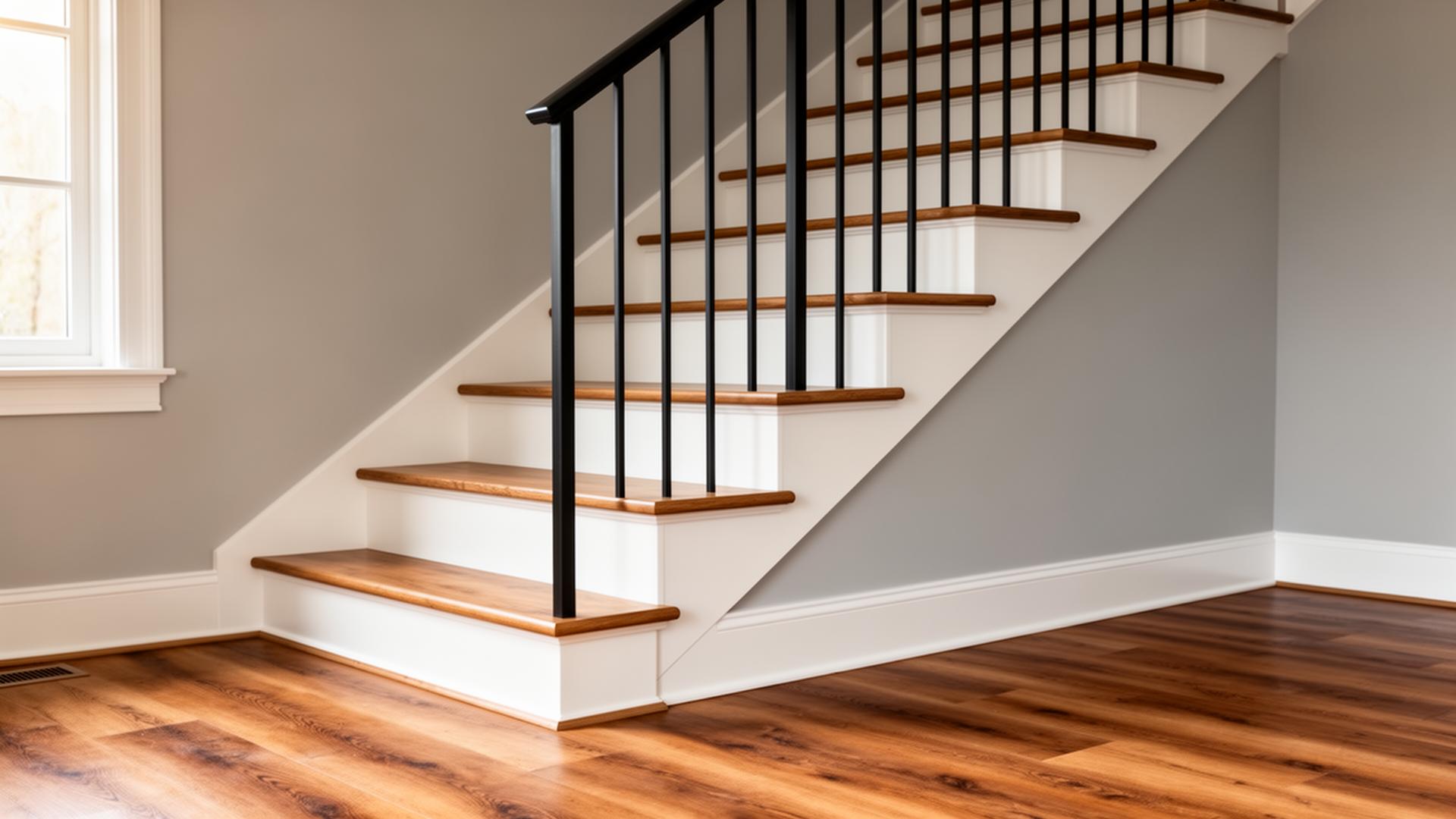
Can LVP Be Installed on Stairs?
Yes — LVP works on stairs, but it must be glued down, paired with matching stair-nose molding, and installed on a solid sub-tread. Here's what it really costs and what to watch out for.
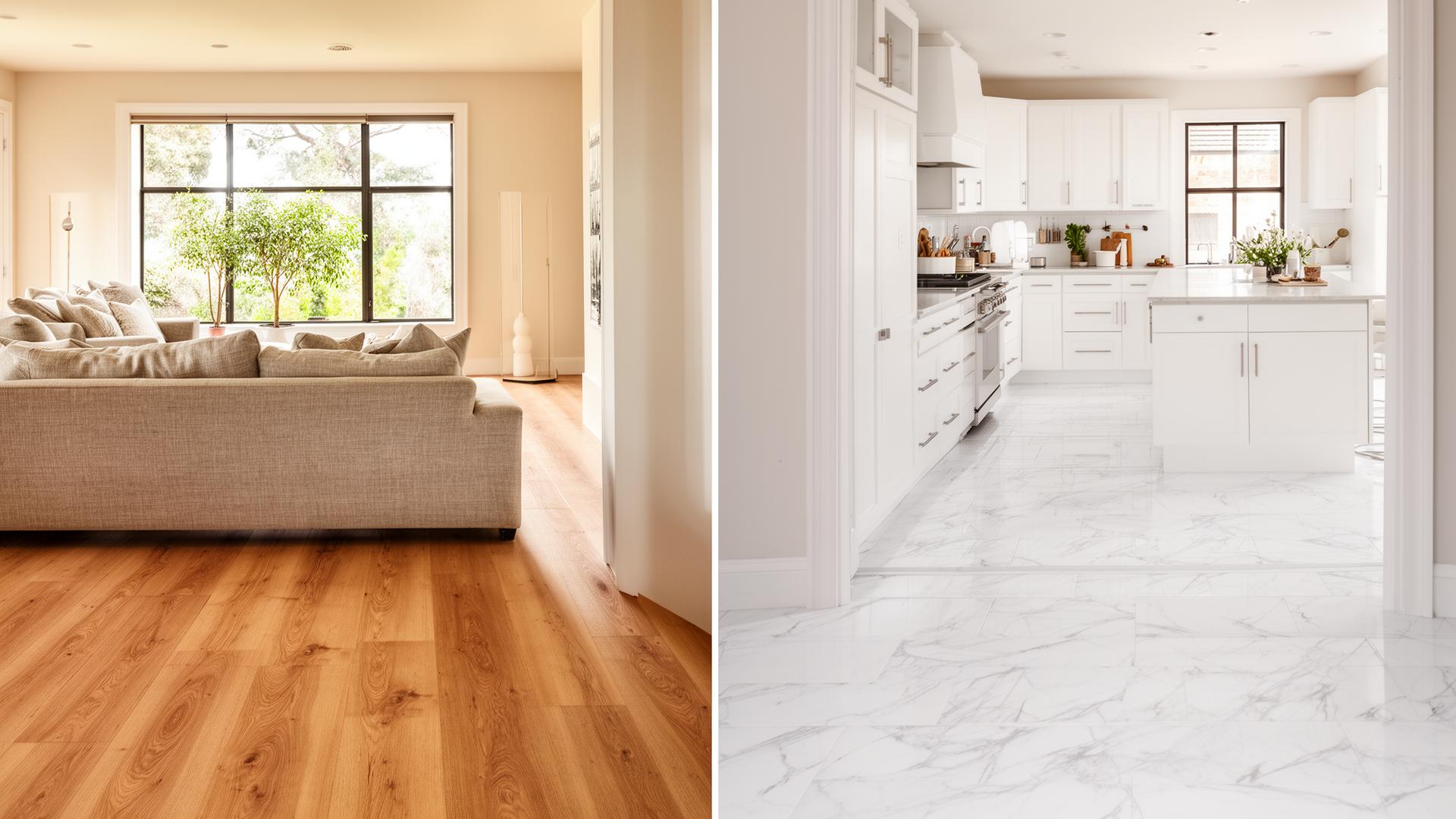
How Do I Choose Between Wood-Look and Stone-Look LVP?
A homeowner's decision guide for picking wood-look vs stone-look LVP — which visual works best in each room, what affects resale, and how to mix the two cleanly.
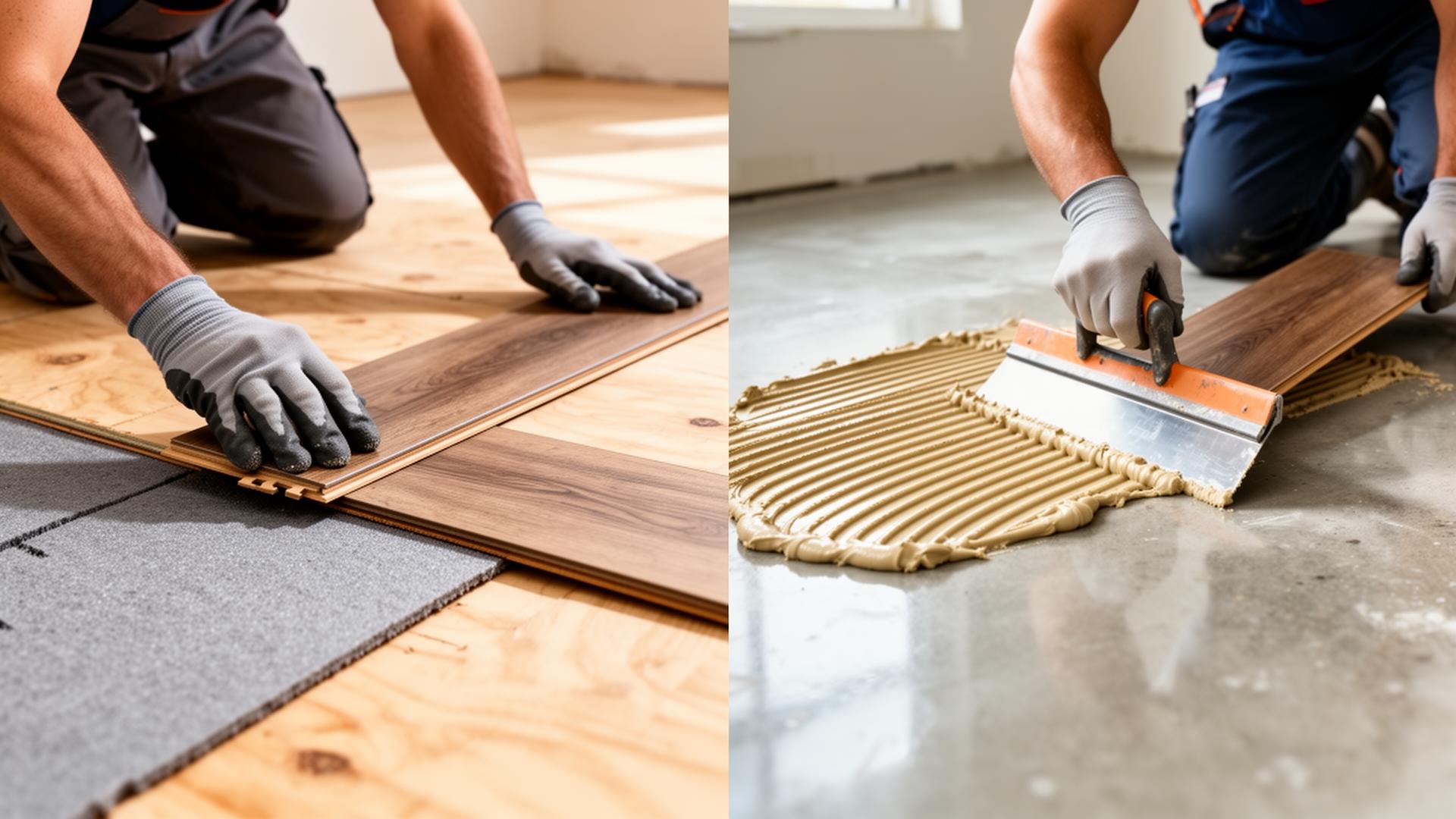
What's the Difference Between Click-Lock and Glue-Down LVP?
Click-lock floats. Glue-down bonds. Here's the honest comparison — cost, subfloor, moisture, repairs, lifespan — and which method actually fits your home.